
Ask anyone who has worked a plant shutdown and they’ll tell you the same thing. The clock never stops. The unit is down, production is on hold, and every extra day costs real money. Yet scaffolding, the one thing every other team depends on, usually gets booked in a hurry, sometimes the day before work begins.
That rarely ends well. If you are searching for scaffolding rental in Chennai for an upcoming shutdown, a little planning now can save you days later. This post walks through how to think about it, from the first site visit to the day the last pipe goes back on the truck.
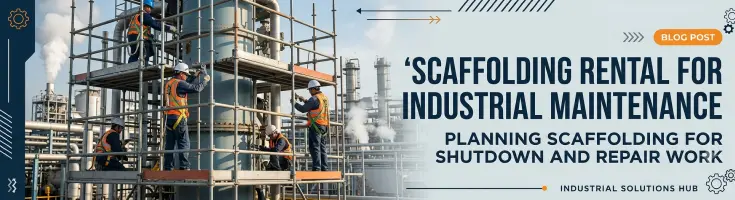
Why Scaffolding Planning Matters in Plant Shutdowns
During normal maintenance, one technician looks at one machine. A shutdown is another story. Fitters, welders, electricians, painters, and inspectors all show up together, and every one of them needs to reach a different height.
Picture it. The welder is waiting for a platform that the painters are still using. Materials are stuck on the ground because there’s no safe way to lift them. An inspector can’t reach a joint because a scaffold is in the way. None of these issues is significant on its own. Together, they turn a five-day job into a seven-day one.
A proper plan fixes most of these issues. It decides what goes up first, who needs access and when, and how long each structure must stay. It also protects your people. Most scaffold accidents come from rushed or improvised setups, not from the system itself.
Scaffolding Rental vs. Buying: Which Is Better for Industrial Maintenance?
Plenty of plant managers ask whether it’s smarter to buy scaffolding outright. It sounds sensible. You’ll use it again and again, so why keep paying rent?
The catch is that heavy scaffolding use comes in short bursts. A shutdown might need thousands of pipes and couplers for ten days, and then nothing for months. In the meantime, your stock sits in a yard in Chennai’s humid weather, picking up rust and waiting for someone to count and check it.
Scaffolding rental avoids that. You take what the job needs, use it, and send it back. Industrial scaffolding rental also lets you mix systems. A tall column might need one type, while a curved tank wall needs another. Owning all of that would be expensive.
If your plant runs maintenance round the year, buying a small core stock can make sense. For shutdown work, though, renting is usually the better deal.
Conduct a Site Inspection Before Requesting a Scaffolding Quote
Before anyone asks for a quote, go and stand where the scaffold will be. Drawings are useful, but looking up at the actual structure tells you far more.
Write down how high you need to reach. Look at the ground, whether it’s concrete, packed soil, or a slope. Spot the things that get in the way, like pipe racks, cable trays, hot lines, and other equipment. Think about where a crane or hoist will be needed.
Then think about the material itself. Can a truck get close? Is there a flat spot to stack pipes and boards? These questions sound minor, but they change both cost and timing.
Pass all of this to your supplier early. A supplier who insists on visiting the site before quoting is usually one you can trust.
Choosing the Right Scaffolding System
There’s no single scaffold that suits every job, and pretending otherwise causes trouble.
The cuplock is a favorite in plants. It goes up fast and carries heavy loads, so it works well for tall structures and wide platforms. Ring locks and other modular systems are handy around tanks, columns, and tight corners because you can build around obstacles. Traditional tubular and coupler scaffolding takes longer, but when the space is awkward, nothing else adapts as well.
For smaller jobs like painting, light repairs, or a bit of pipe work, a mobile tower does fine, and you can roll it to the next spot. Aluminium scaffolding is light and easy to move, which helps where weight is an issue.
A good supplier will walk you through which one fits where. Be wary of anyone who proposes one system for the whole site without having seen it.
Scaffolding Safety Checklist for Industrial Sites
Safety is the one place where cutting corners always costs more later. Here’s what to check before a single person climbs up.
Load capacity: Two fitters with hand tools is one thing. Heavy equipment and stacked materials are another. Ask what each platform can safely carry.
Condition of material: Bent pipes, loose couplers, and cracked boards should be rejected on the spot.
Base and bracing: Base plates, sole boards, and proper bracing keep things steady, especially on uneven ground or near vibrating machines.
Edge protection: Guardrails and toe boards are basic, yet often missing.
Safe access: Use fixed ladders or stairways, not the frame itself.
Inspection: A trained person should check the scaffold before use and again after bad weather or any change.
Chennai adds one more factor. Monsoon rain and strong winds can loosen fittings and soften the ground, so it’s worth re-checking after heavy weather. And don’t rely only on the supplier’s word. Have your own safety team look at it too.
How to Plan Your Scaffolding Timeline: Erection, Changes and Dismantling
Scaffolding should be standing before the shutdown starts, not appearing halfway through. Work backwards from your start date. When does erection need to begin? Which teams need access on day one, and which can wait? Large units often go up in phases.
Ask the supplier how many trained people they can send and how quickly they can deliver. A great plan means nothing if the crew is too small to finish in time.
Expect surprises too. Mid-shutdown, teams often find extra damage that needs more access. If your supplier can add or change scaffolding quickly, you save a day or even two.
Finally, plan the dismantling. Take it down too early and you block final inspections. Leave it up too long and you pay rent for nothing.
How to Choose a Reliable Industrial Scaffolding Services Provider
Comparing industrial scaffolding services by daily rate alone is a common trap. The cheapest quote can turn expensive once delays begin. Look at a few other things.
Has the team worked on industrial sites before? Plants have permits, rules, and hazards that a building-construction crew may not know. Are the erectors trained? Ask. Can they help with layouts and quantity estimates? That support saves a lot of time. Ask to see the material too. Clean, sound stock says plenty about how a company works.
Get the terms in writing, including the rental period, transport, damage charges, and what happens if you need extra days. And find out who picks up the phone at 2 a.m. when something goes wrong mid-shutdown. You’d be surprised how much that matters.
Common Scaffolding Mistakes That Delay Shutdown Projects
Most problems come from the same few habits:
- Booking late, which leaves little choice and no time to plan
- Skipping the site visit and getting a quote based on guesses
- Ordering too little and stopping work to wait for more
- Ignoring ground conditions
- Treating inspections as paperwork
- Having no dismantling plan, which means extra rental days
None of these needs special tools to fix. It just takes a bit of planning and honest conversation between your maintenance team, your safety team, and the supplier.
Plan Your Shutdown Scaffolding with Confidence
A smooth shutdown rarely happens by luck. It comes from knowing your heights, picking the right system, checking loads, and giving the scaffolding crew enough time to do the job properly. Rent what you need, plan the timeline early, and keep safety checks regular. Do these three things, and most of the usual shutdown headaches simply don’t show up.
If you’re preparing for a maintenance window, talk to MBF Enterprises early. Share your site details, and their team can help you plan scaffolding rental in Chennai that keeps your people safe and your schedule on track, whether it’s for an industrial shutdown or a repair job